Introduction:
The Hamar people, residing in the fertile Hamer woreda of southwestern Ethiopia, offer a glimpse into a unique cultural tradition known as Ukuli Bula. This tradition involves a Rite of Passage ceremony for boys, where women undergo a distinctive form of expression to declare their love and commitment. Central to this ceremony is the ritualistic whipping of young women, a practice that has both intrigued and raised questions about the cultural dynamics within the Hamar community.
Hamar Culture and Pastoralism:
The Hamar people, predominantly pastoralists, hold a deep appreciation for cattle, shaping the core of their cultural identity. Their lifestyle revolves around the Hamer woreda in the Omo River valley, situated in the Debub Omo Zone of the Southern Nations. Cattle, integral to their existence, influence various aspects of Hamar life, including their unique approach to marriage ceremonies.
Ukuli Bula: A Rite of Passage:
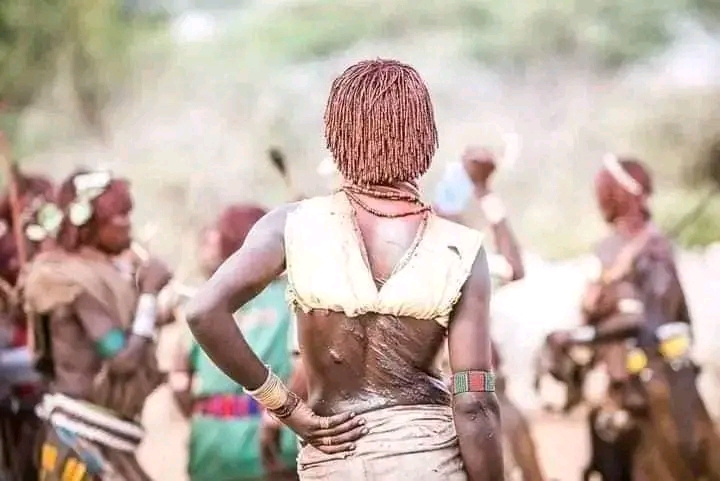
The Ukuli Bula ceremony marks a significant milestone in the life of a Hamar boy. As a Rite of Passage, it symbolizes the transition from adolescence to manhood. A crucial element of this ceremony is the public declaration of love by female family members or relatives of the young man at the heart of the celebration.
The Whipping Ritual:
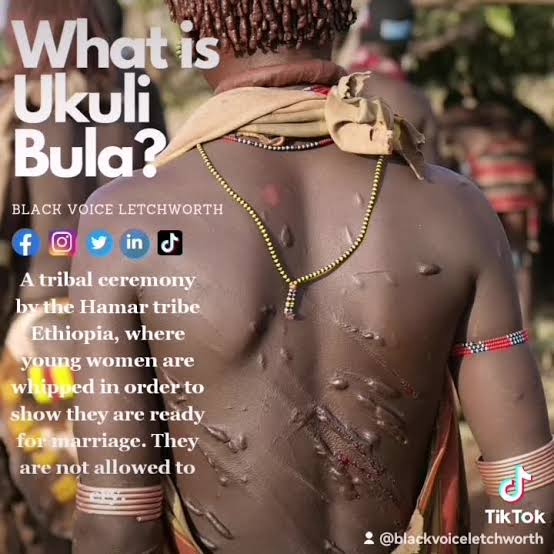
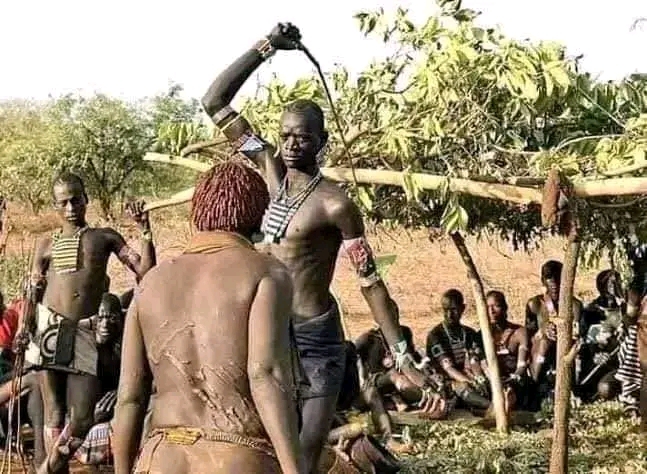
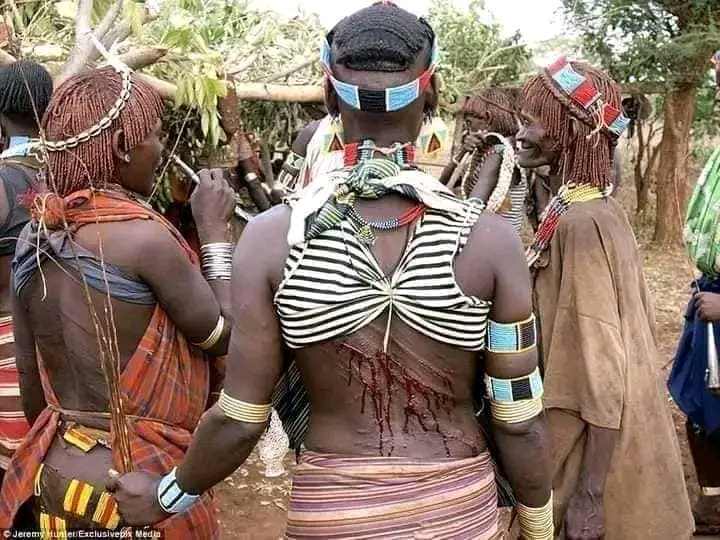
During Ukuli Bula, the focal point becomes the whipping of young women associated with the boy undergoing the Rite of Passage. These women willingly subject themselves to the lashings, accompanied by trumpeting and singing, expressing their love for the young man and their desire to be marked by the whip. Contrary to expectations, the women do not flee; instead, they actively seek to undergo this physically demanding ordeal.
Expression of Courage and Integrity:
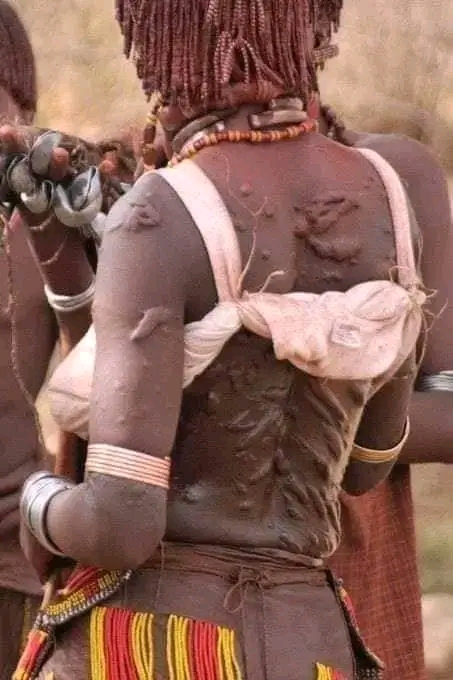
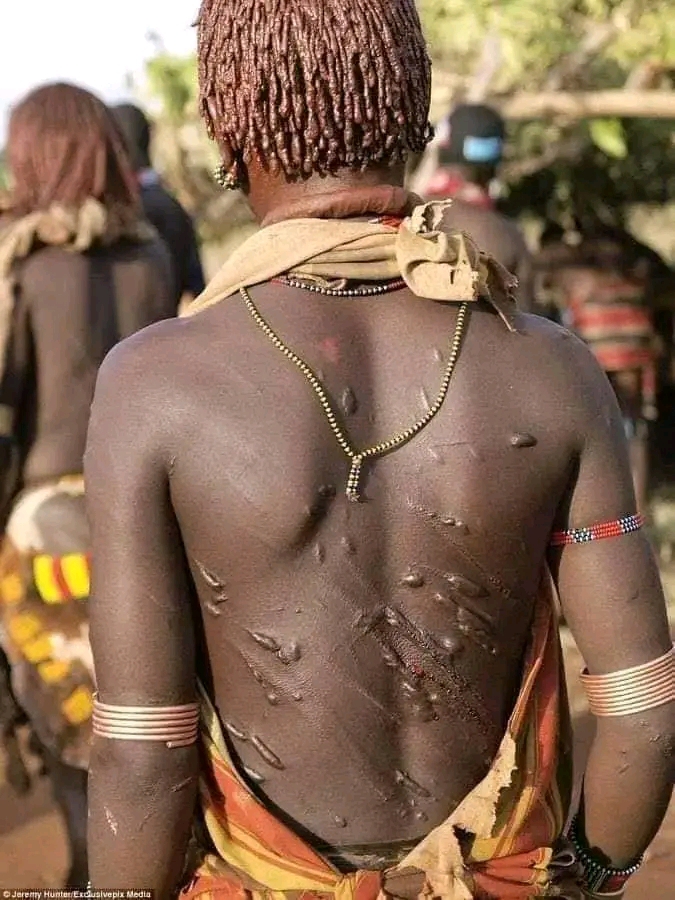
As the women endure the whipping, they proudly exhibit their resulting scars as proof of their courage and integrity. The ceremony becomes a spectacle, showcasing the resilience and dedication of these women to the young man and the community. The scars, worn as badges of honor, symbolize a commitment to the cultural values embedded in the Ukuli Bula tradition.
Cultural Dynamics and Symbolism:
The practice of whipping is exclusively carried out by M@za, individuals who have themselves undergone the Ukuli Bula Rite of Passage. This exclusivity adds a layer of cultural significance to the ceremony, emphasizing the shared experience among those who have transitioned from adolescence to adulthood.
Conclusion:
The Ukuli Bula ceremony of the Hamar tribe provides a unique perspective on the intersection of love, tradition, and cultural identity. While the ritualistic whipping may seem unusual to outsiders, within the Hamar community, it serves as a powerful expression of commitment, courage, and the shared experiences that bind them together. As we delve into the intricacies of Ukuli Bula, it becomes evident that cultural practices, even those that may initially appear foreign, play a vital role in shaping the identity and cohesion of communities like the Hamar people.
 Astro
Astro 
Bro, you are doing amazing things
LikeLiked by 1 person
Thanks buddy
LikeLike