Page 2 – Episode 2:
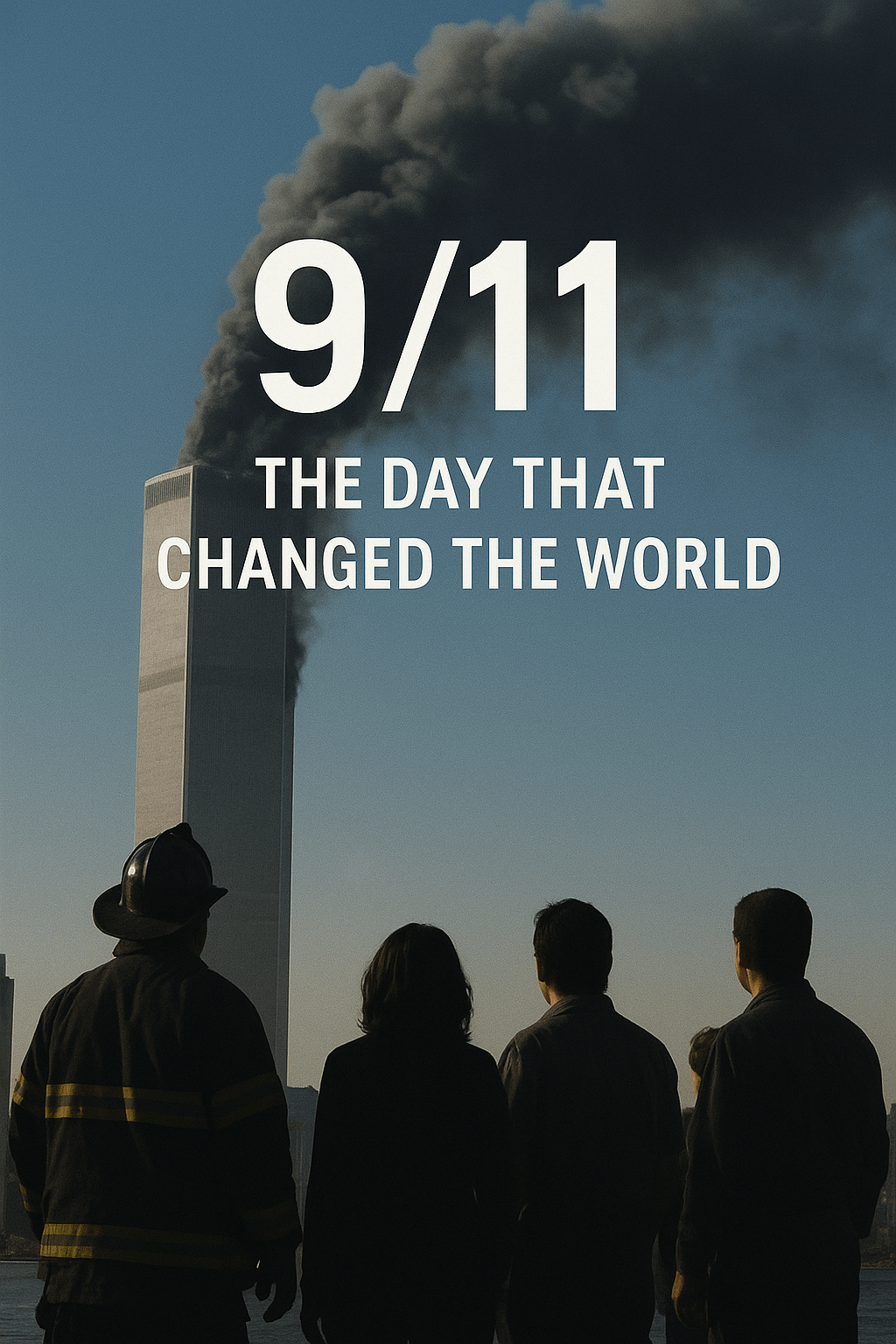
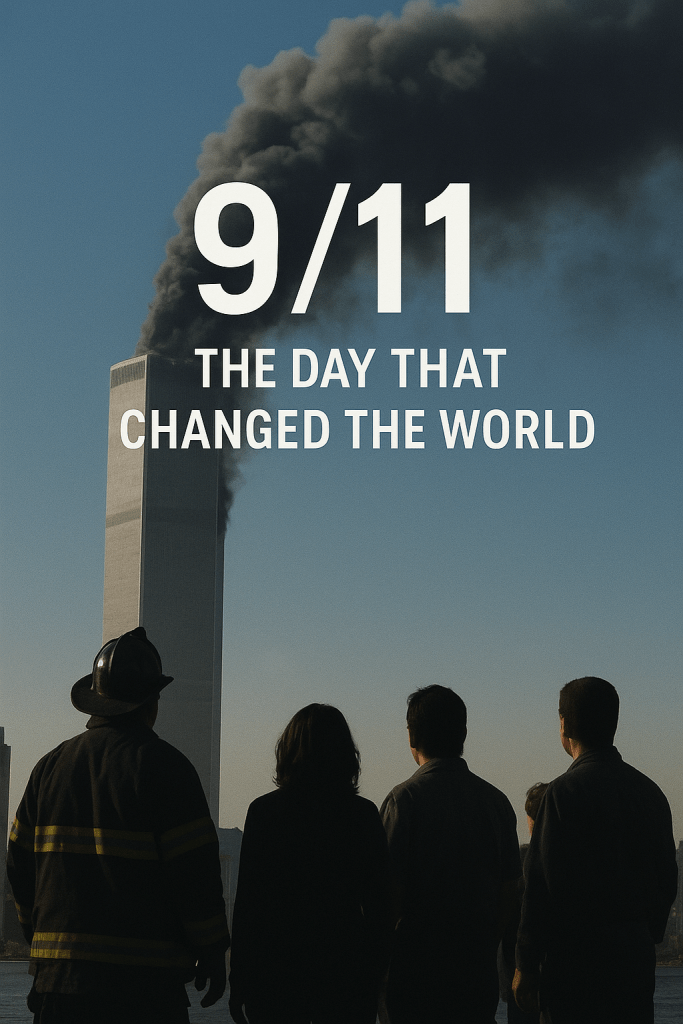
Seventeen minutes after the first explosion, New Yorkers were still staring skyward. The North Tower burned like a torch, smoke pouring into the flawless blue sky. Firefighters rushed into the building, police officers directed evacuations, and thousands of office workers streamed into the streets below.
The city was in shock but not yet in full fear. Many still clung to the idea that this was a tragic accident a pilot error, a malfunction, some unthinkable mistake. People called their families: “I’m okay, don’t worry.” Tourists snapped photos, not realizing history was unfolding in front of them.
But at 9:03 a.m., disbelief turned to horror.
High above Manhattan, another jet appeared. United Airlines Flight 175, hijacked after leaving Boston, roared into view. Witnesses on the ground screamed as the plane banked low and fast. In an instant, it slammed into the South Tower, between the 77th and 85th floors.
The impact was a fireball. Flames burst outward. Glass, metal, and furniture exploded into the sky. The concussion rocked buildings for blocks around. People on sidewalks dropped to their knees, some praying, others sobbing openly. News cameras that had been filming the burning North Tower captured the second strike live, broadcasting it into millions of homes across America and the world.
The truth was undeniable now: this was no accident. America was under attack.
Inside the South Tower, chaos erupted. The building swayed violently from the impact, sprinklers failed, alarms blared. Workers on the floors below the crash zone scrambled toward stairwells. Many who had hesitated to leave after the first plane now realized they had to run. “Go, go, go!” strangers urged one another as they packed into dark, smoke-filled staircases.
Some never made it to the stairs. Elevators stopped mid-floor, trapping dozens inside. Flames and smoke rose quickly through the upper levels. Above the impact zone, hundreds were cut off completely. Like their counterparts in the North Tower, they pressed against windows, waving desperately for help.
One woman on the 83rd floor called her mother: “Something hit our building. We can’t get out. I love you.” Her voice was calm, steady but filled with a knowledge she didn’t speak aloud.
On the streets below, the shock was turning to panic. Debris rained down. Emergency workers tried to push crowds back, fearing another collapse or more falling wreckage. Strangers clung to one another, covered in ash and tears, staring upward at the two burning towers.
For those inside, escape meant courage and endurance. In the South Tower, one group of workers formed a human chain in the smoke-filled stairwell, guiding each other down floor by floor. Firefighters climbing up shouted encouragement: “Keep moving! Don’t stop! You’ll make it out!”
Yet for those trapped above, the situation grew desperate. The fire was unbearable, the smoke suffocating. Some leaned out of shattered windows, gasping for air. Others made phone calls to loved ones, not to ask for help but to say goodbye.
At 9:03 a.m., the world had changed forever. In just seventeen minutes, two of the tallest towers on earth had been pierced by passenger jets, and nearly everyone watching understood: this was a coordinated attack, an act of war on American soil.
The city was only beginning to realize the nightmare that lay ahead.
Continue tomorrow check back
 Astro
Astro 