
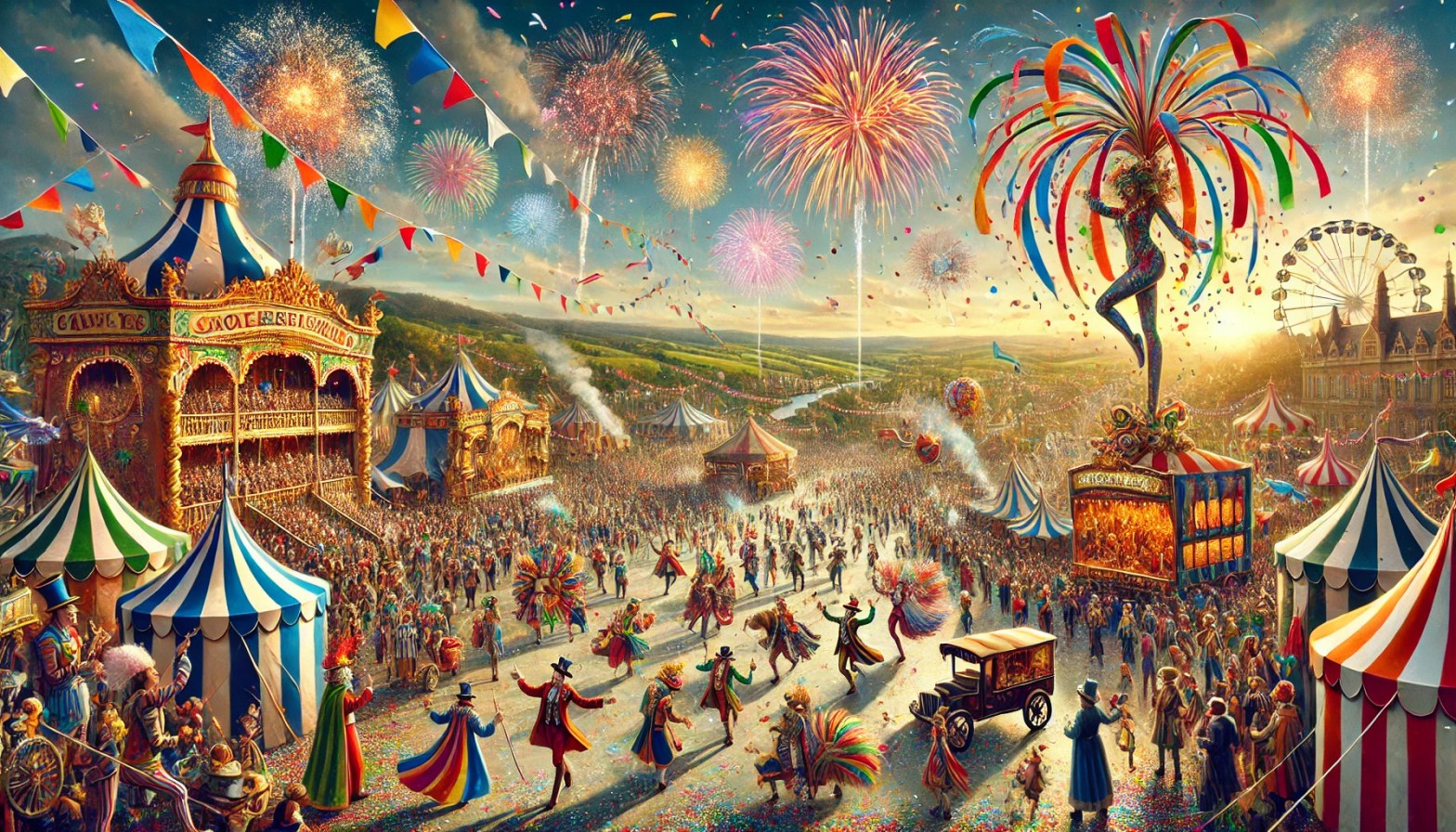
Carnivals have long been a staple of human culture, blending celebration, social expression, and tradition into a vibrant spectacle of joy and festivity. Across the world, different societies have embraced carnival-like events, each infused with its own unique elements, yet all sharing a core philosophy of escape, transformation, and communal engagement. The theory of carnivals explores their origins, psychological and sociological impact, and their evolving role in modern society.
Origins and Evolution of Carnivals
The roots of carnivals trace back to ancient civilizations. The Greeks and Romans held grand festivities such as the Bacchanalia and Saturnalia, where normal societal rules were suspended, and the masses indulged in food, drink, and revelry. These events allowed people to temporarily abandon their structured roles and embrace a world of disorder and freedom.
During the Middle Ages, carnivals evolved further, especially in Europe. The Catholic Church integrated carnival celebrations into religious observances, particularly preceding Lent—a solemn period of fasting and reflection. The carnival became a time of excess before restraint, reinforcing both religious discipline and communal bonding.
Over time, carnivals spread globally, taking on diverse forms. The famous Carnival of Brazil, the colorful Venice Carnival, and the vibrant Caribbean festivals all showcase how local cultures adapted the concept, blending historical influences with contemporary artistic and social expressions.
The Psychological and Sociological Perspective
Carnivals serve a psychological function by providing a structured break from daily life. In his theory of the “carnivalesque,” Russian literary critic Mikhail Bakhtin emphasized the power of carnivals to invert social hierarchies. He argued that during carnival time, the ordinary distinctions between the powerful and the powerless are temporarily erased, allowing the oppressed a space for expression.
Sociologists view carnivals as a reflection of social dynamics, where people can challenge authority, express dissent, and celebrate identity. Street parades, costumes, and masquerades allow individuals to step outside their usual selves, embracing characters or ideologies that might be constrained in everyday life.
Carnivals in the Modern World
Today, carnivals are not just cultural events but also significant economic and political expressions. Cities like Rio de Janeiro and New Orleans generate substantial tourism revenue from carnival celebrations. Additionally, carnivals have become platforms for social movements, often highlighting issues such as racial justice, LGBTQ+ rights, and political activism.
Despite commercialization, the fundamental spirit of carnivals persists—offering joy, social bonding, and a temporary escape from societal rigidity. They continue to evolve, incorporating new artistic, technological, and digital elements, ensuring their relevance in a rapidly changing world.
Conclusion
The theory of carnivals reveals that these celebrations are more than just entertainment. They are powerful social instruments that allow societies to explore freedom, unity, and resistance while reinforcing cultural traditions. Whether in ancient Rome or modern-day Brazil, the carnival remains a profound testament to humanity’s need for joy, expression, and collective experience.
 Astro
Astro 