
A Theological Exploration
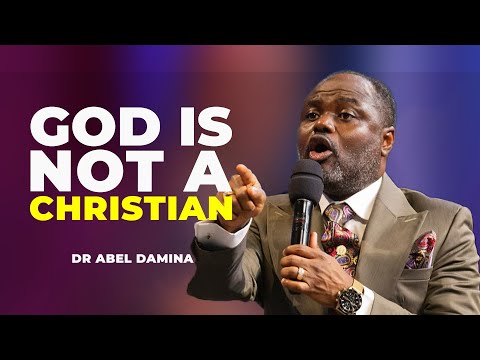
The statement “God is not a Christian” is both provocative and profound, challenging a common assumption within certain religious circles. It invites us to explore the nature of God beyond the confines of any single religious tradition, including Christianity. This article will examine the claim, providing theological, historical, and philosophical perspectives to support the assertion that God transcends any one religion, including Christianity.
1. Understanding the Nature of God
In many theological traditions, God is understood as a universal, all-encompassing being. In Christianity, God is often described as omnipotent, omniscient, and omnipresent, meaning that He is all-powerful, all-knowing, and present everywhere at all times. These attributes suggest that God’s existence and essence are not confined to any particular human construct, including religious institutions.
a. The Universality of God
The concept of a universal God is supported by numerous biblical passages. For example, in Genesis 1:1, the Bible begins with the statement, “In the beginning, God created the heavens and the earth.” This verse suggests that God is the creator of all things, not just the Christian faith or its followers.
Moreover, in Acts 17:24-28, the Apostle Paul, while addressing the Athenians, states, “The God who made the world and everything in it is the Lord of heaven and earth… He is not far from any one of us. For in him, we live and move and have our being.” This passage reinforces the idea that God is the creator and sustainer of all life, not just those who identify as Christian.
b. God’s Relationship with Humanity
Christianity teaches that God desires a relationship with all of humanity, not just those who adhere to Christian beliefs. John 3:16, one of the most well-known verses in the Christian Bible, states, “For God so loved the world that He gave His one and only Son, that whoever believes in Him shall not perish but have eternal life.” The emphasis here is on “the world,” indicating that God’s love and salvation are available to all, regardless of religious affiliation.
2. The Historical Context of Christianity
a. Christianity as a Human Institution
Christianity, like all religions, is a human institution with its own doctrines, traditions, and practices. It emerged from the Jewish tradition in the first century AD and has since evolved into numerous denominations and sects. While Christianity claims to worship the true God, it is important to recognize that the religion itself is a vehicle through which humans seek to understand and relate to God, rather than being synonymous with God Himself.
b. The Diversity of Religious Experiences
Throughout history, countless religious traditions have arisen, each with its own understanding of the divine. Hinduism, Buddhism, Islam, Judaism, and other faiths all offer unique perspectives on God or the ultimate reality. The fact that these religions exist and have persisted over millennia suggests that the human experience of the divine is diverse and multifaceted. To claim that God is exclusively Christian is to ignore the rich tapestry of religious thought and experience that has shaped human history.
3. The Philosophical Perspective
a. The Limits of Human Understanding
Philosophically, it is essential to acknowledge the limits of human understanding when it comes to the nature of God. The finite human mind cannot fully comprehend the infinite. As the prophet Isaiah writes in Isaiah 55:8-9, “For my thoughts are not your thoughts, neither are your ways my ways,” declares the Lord. “As the heavens are higher than the earth, so are my ways higher than your ways and my thoughts than your thoughts.” This passage highlights the idea that God’s nature transcends human understanding and, by extension, human religious systems.
b. God Beyond Labels
The assertion that God is not a Christian invites us to consider the possibility that God transcends all labels, categories, and religious affiliations. As the theologian Paul Tillich wrote, “God is the ground of being,” meaning that God is the foundation of all existence, beyond any specific religious identity. To confine God to a particular religion is to limit our understanding of the divine and reduce the infinite to the finite.
4. Theological Implications
a. Interfaith Dialogue
Recognizing that God is not confined to Christianity opens the door to meaningful interfaith dialogue. It allows for a greater appreciation of the ways in which different religious traditions approach the divine and offers the possibility of finding common ground in the pursuit of spiritual truth.
b. A Humble Approach to Faith
Understanding that God is not limited to any one religion, including Christianity, encourages humility in our approach to faith. It reminds us that no single tradition has a monopoly on truth and that all people, regardless of their religious background, are part of God’s creation.
5. Conclusion
The statement “God is not a Christian” is a powerful reminder of the universal nature of God. While Christianity offers one path to understanding and relating to the divine, it is not the only path. God transcends all human-made religious boundaries and is present in the lives of all people, regardless of their religious affiliation. Embracing this truth can lead to greater understanding, tolerance, and love among people of different faiths, and deepen our own relationship with the divine.
References
- The Holy Bible, New International Version.
- Tillich, Paul. The Courage to Be. Yale University Press, 1952.
- Smith, Huston. The World’s Religions. HarperOne, 2009.
- Armstrong, Karen. A History of God: The 4,000-Year Quest of Judaism, Christianity, and Islam. Ballantine Books, 1993.
This article challenges traditional perspectives and encourages a broader, more inclusive understanding of the divine, emphasizing that God is beyond any single religious framework, including Christianity.
 Astro
Astro 