A Common Yet Unsettling Experience
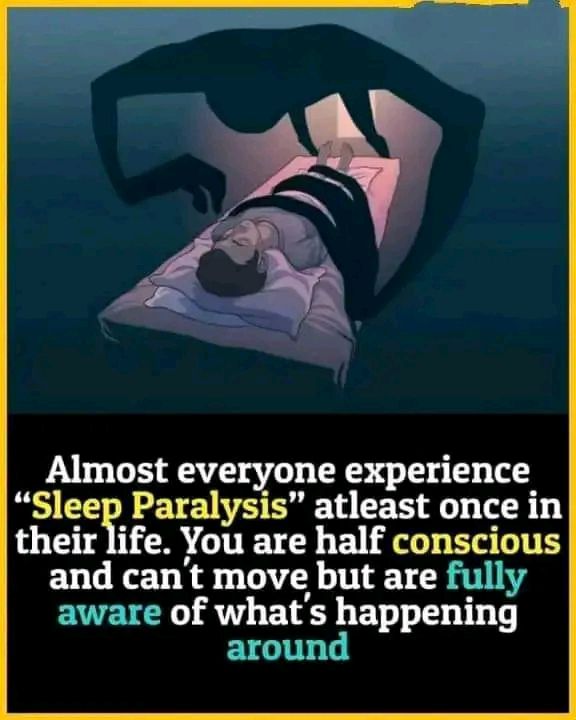
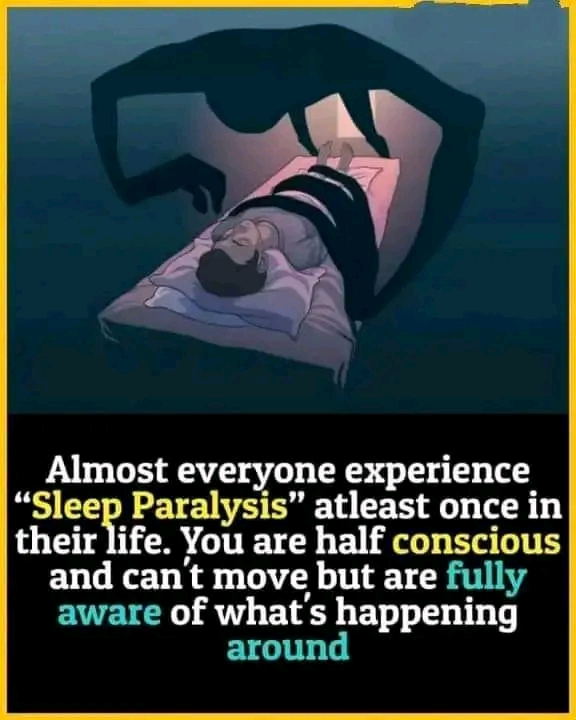
Sleep is generally seen as a time of rest and rejuvenation, but for some, it can also be a time of terror. Sleep paralysis is one of those unsettling experiences that many people face, often leaving them confused and frightened. Despite its frightening nature, sleep paralysis is a common occurrence that almost everyone experiences at least once in their life.
What is Sleep Paralysis?
Sleep paralysis is a temporary inability to move or speak while falling asleep or upon waking. During these episodes, individuals are fully conscious and aware of their surroundings but are unable to move their muscles. This condition typically lasts for a few seconds to a few minutes and can be accompanied by vivid hallucinations and a feeling of pressure on the chest. The sensation of being held down or the presence of an intruder in the room is also common.
The Science Behind Sleep Paralysis
To understand sleep paralysis, it’s essential to know a bit about the sleep cycle. Sleep is divided into different stages, including rapid eye movement (REM) sleep, during which dreaming occurs. During REM sleep, the brain temporarily paralyzes the body’s muscles, preventing individuals from acting out their dreams. Sleep paralysis occurs when the brain wakes up from REM sleep, but the body remains in a state of paralysis.
This disconnect between the brain and body can be disorienting and terrifying, especially when accompanied by hallucinations that may be influenced by a person’s cultural or personal beliefs. While the exact cause of sleep paralysis is not fully understood, it is often associated with sleep disorders such as narcolepsy, sleep deprivation, irregular sleep schedules, and stress.
Common Experiences During Sleep Paralysis
While the inability to move is the defining characteristic of sleep paralysis, other symptoms often accompany the condition:
- Hallucinations: Many people report seeing, hearing, or feeling things that are not there. These hallucinations can range from benign to terrifying, often involving a shadowy figure in the room or a sense of an evil presence.
- Pressure on the Chest: A common sensation during sleep paralysis is a feeling of pressure on the chest, as if something or someone is sitting on you. This can contribute to the feeling of suffocation, adding to the overall sense of fear.
- Out-of-Body Experiences: Some individuals describe feeling as though they are floating above their body or looking down at themselves, adding another layer of confusion to the experience.
- Fear and Panic: Given the nature of the symptoms, it’s no surprise that many people experience intense fear or panic during sleep paralysis. The inability to move coupled with the feeling of being trapped can lead to a heightened state of anxiety.
Coping with Sleep Paralysis
For most people, sleep paralysis is a rare event that does not require treatment. However, if episodes occur frequently, it may be beneficial to take steps to manage the condition:
- Improve Sleep Hygiene: Establishing a regular sleep schedule and ensuring adequate rest can help reduce the likelihood of sleep paralysis. Avoiding caffeine and heavy meals before bed can also contribute to better sleep quality.
- Manage Stress: Since stress and anxiety are known triggers for sleep paralysis, finding ways to manage stress through relaxation techniques, such as deep breathing exercises or meditation, may help.
- Seek Medical Advice: If sleep paralysis is recurrent and severely impacts your quality of life, it may be wise to consult a healthcare professional. They can rule out underlying sleep disorders and provide guidance on managing the condition.
Conclusion
While sleep paralysis can be a disturbing experience, understanding its causes and effects can help demystify the condition. Recognizing that it is a common phenomenon and taking steps to improve sleep hygiene and manage stress can reduce its frequency and severity. If you ever find yourself in the grip of sleep paralysis, remember that it is a temporary state, and with time, normal movement will return.
 Astro
Astro 