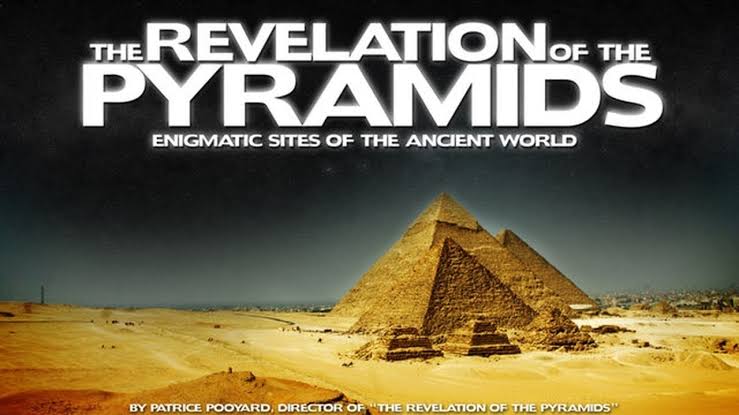
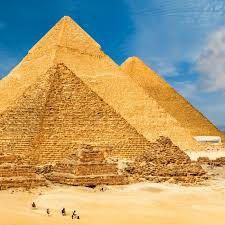
The Egyptian pyramids, particularly the Great Pyramid of Giza, stand as enduring symbols of ancient Egypt’s grandeur and architectural prowess. Built thousands of years ago, these monumental structures continue to captivate the imagination, with questions about their construction, purpose, and the eerie legends surrounding them persisting through the ages.
Origins and Builders
The pyramids were primarily constructed during Egypt’s Old Kingdom period, from around 2686 to 2181 BCE. The most famous pyramids are located in Giza, near modern-day Cairo, and were built by pharaohs of the Fourth Dynasty.
- Pharaoh Khufu (Cheops): The Great Pyramid of Giza, the largest of the three, was constructed for Khufu around 2580–2560 BCE. This pyramid originally stood at 146.6 meters (481 feet) and was the tallest man-made structure in the world for over 3,800 years.
- Pharaoh Khafre (Chephren): Khufu’s son, Khafre, built the second pyramid at Giza, which is slightly smaller but appears taller due to its elevated position. The Sphinx, a colossal limestone statue with a lion’s body and a pharaoh’s head, is also attributed to Khafre.
- Pharaoh Menkaure: The smallest of the three pyramids was built for Menkaure, Khafre’s successor. It stands at 65 meters (213 feet) tall.
These pyramids served as tombs for the pharaohs, designed to facilitate their journey to the afterlife.
Construction Techniques
The construction of the pyramids has been a subject of debate and fascination. Theories about how these massive structures were built include:
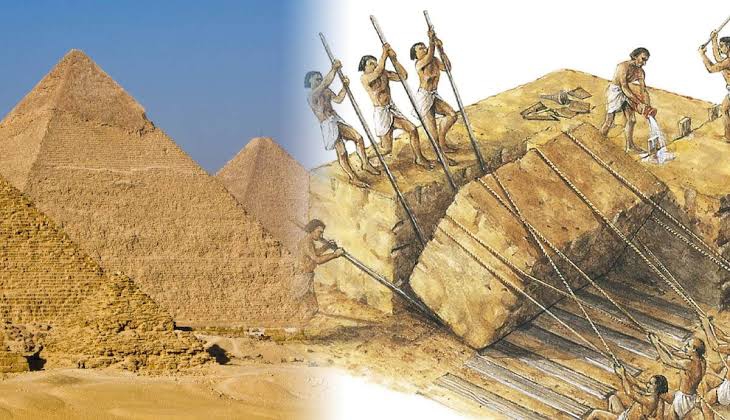
- Labor Force: Contrary to popular belief, the pyramids were not built by slaves but by a workforce of skilled laborers. Recent archaeological discoveries suggest that a permanent group of approximately 20,000 to 30,000 workers, including engineers, architects, laborers, and support staff, built the pyramids over a period of 20 years.
- Tools and Methods: Workers used copper tools to quarry and shape the massive limestone and granite blocks. They transported these blocks using sledges lubricated with water to reduce friction. The blocks were then lifted using a system of ramps and levers.
- Precision: The precision with which the pyramids were constructed is astonishing. The sides of the Great Pyramid, for example, are aligned with the cardinal points of the compass with an accuracy of up to 0.05 degrees. This level of accuracy was achieved using simple tools like plumb bobs, squares, and leveling instruments.
Documentaries and Exploration
Several documentaries have delved into the history and construction of the pyramids, offering insights and showcasing the latest archaeological discoveries. Notable documentaries include:
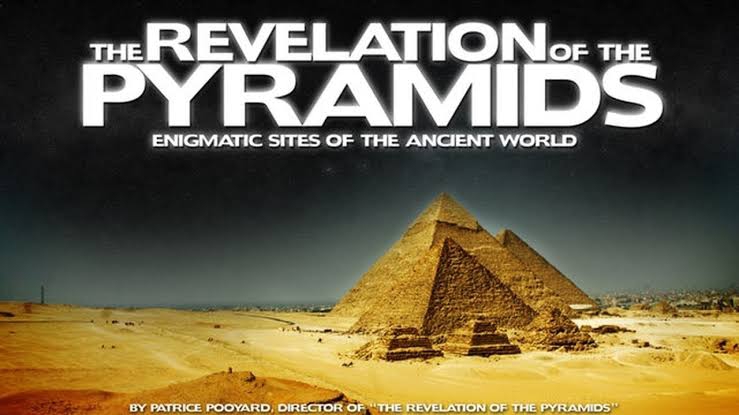
- “Secrets of the Saqqara Tomb” (Netflix): This film follows a team of archaeologists as they uncover a well-preserved tomb in Saqqara, shedding light on the life and times of ancient Egyptians.
- “The Pyramid Code”: A docu-series that explores the pyramid fields and temples of Egypt, proposing alternative theories about the ancient builders and their sophisticated knowledge.
- “Building the Great Pyramid” (PBS): This documentary uses dramatic reconstructions to illustrate the methods used by the ancient Egyptians in constructing the pyramids.
The Creepy and Mysterious Aspects
The pyramids are shrouded in mystery and intrigue, giving rise to numerous eerie legends and conspiracy theories:
- Curses: The idea of a “curse of the pharaohs” emerged in the early 20th century following the discovery of Tutankhamun’s tomb. While no definitive evidence supports the existence of such curses, the sudden and unexplained deaths of several individuals involved in the tomb’s excavation fueled this belief.
- Alignment with Stars: Some theories suggest that the pyramids are aligned with celestial bodies, particularly the Orion constellation. This alignment, proponents argue, indicates a profound understanding of astronomy and a connection to the gods.
- Hidden Chambers: Modern technology, such as muon radiography, has revealed the presence of hidden chambers and voids within the Great Pyramid. These discoveries spark speculation about what treasures or secrets these spaces might hold.
Conclusion
The Egyptian pyramids remain one of humanity’s greatest architectural achievements. Their construction involved sophisticated engineering techniques and a large, organized workforce. While many mysteries have been unraveled through archaeological research and modern technology, the pyramids continue to inspire awe and wonder. Documentaries and explorations keep bringing new insights, yet the pyramids retain an air of mystery, with their hidden chambers and celestial alignments continuing to intrigue and captivate people worldwide.
 Astro
Astro 