
The Social Dynamics of Age and Relationship Status
In contemporary society, the concept of being single is often viewed through a lens that shifts dramatically with age. This perspective is succinctly captured in the saying: “When you’re single at 25, it’s a flex. When you’re single at 28, it’s a prayer point. But at 33, you’re declared a state of emergency because all hope is almost lost.” This adage highlights the societal pressures and changing attitudes towards being single as one grows older.
The Flex of Being 25 and Single
At 25, being single is often celebrated. This stage of life is seen as a time for personal growth, exploration, and independence. Society tends to view young singles as having the freedom to pursue their careers, travel, and engage in a variety of experiences without the constraints of a committed relationship. Being single at this age is perceived as a sign of self-sufficiency and confidence, allowing individuals to focus on their aspirations and dreams.
The Prayer Point of Being 28 and Single
As people approach their late twenties, the societal narrative begins to shift. At 28, being single becomes less about personal freedom and more about societal expectations. This period often coincides with friends and peers entering into serious relationships, getting married, or starting families. The pressure to find a partner intensifies, and being single can start to feel like a race against time. It becomes a “prayer point,” a concern that is often shared with family and friends, and for some, a subject of personal anxiety.
The State of Emergency at 33
By the time individuals reach their early thirties, the pressure can become overwhelming. At 33, being single is sometimes viewed as a “state of emergency,” a point at which societal norms suggest that time is running out to achieve traditional milestones like marriage and family. This perception is often fueled by cultural expectations, family pressures, and internal fears about aging and fertility. The anxiety surrounding this stage can lead to a sense of desperation, where the quest for a partner becomes urgent and fraught with stress.
Challenging the Narrative
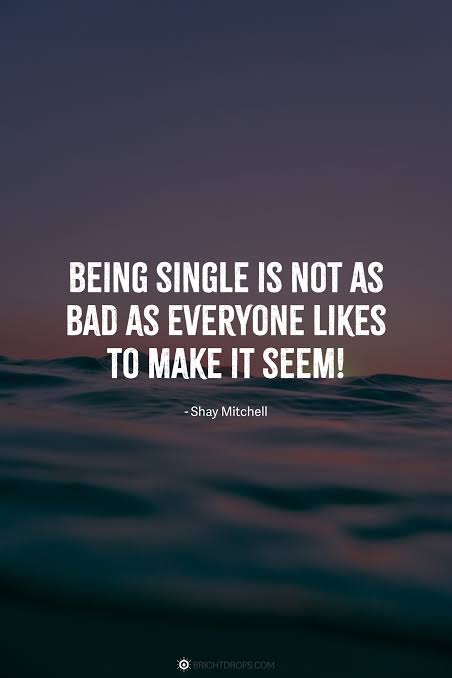
While these societal views are prevalent, it’s important to challenge and question them. The idea that being single at a certain age is problematic is rooted in outdated stereotypes and societal pressures that do not reflect the diverse realities of modern life. People are marrying later, prioritizing personal growth, and redefining what fulfillment looks like beyond traditional relationships.
Embracing Singlehood at Any Age
It’s crucial to recognize that singlehood at any age can be a valid and fulfilling choice. Each individual’s journey is unique, and there should be no set timeline for finding a partner. Embracing singlehood involves celebrating personal achievements, nurturing self-love, and building a fulfilling life on one’s own terms. Society’s fixation on relationship status often overlooks the myriad ways people find happiness and contentment outside of romantic partnerships.
Conclusion
The saying “When you’re single at 25, it’s a flex. When you’re single at 28, it’s a prayer point. But at 33, you’re declared a state of emergency” underscores the shifting societal attitudes towards being single as one ages. However, it’s essential to challenge these narratives and recognize the value of singlehood at any stage of life. By embracing personal growth and rejecting societal pressures, individuals can find fulfillment and happiness on their own terms, irrespective of their relationship status.
 Astro
Astro 