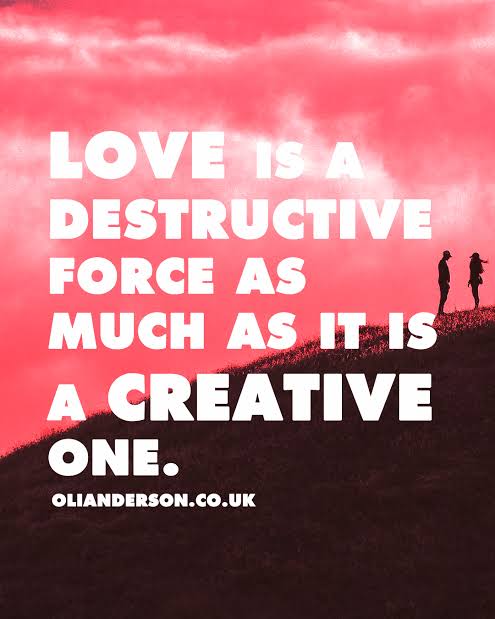
Love, often hailed as the most profound of human emotions, has inspired poets, musicians, and artists for centuries. It is the force that binds families, creates communities, and forms the backbone of countless stories. However, despite its celebrated virtues, love can also be profoundly destructive. This paradox raises an important question: why is love destructive?
The Intensity of Emotions
Love’s intensity can be both its greatest strength and its most perilous weakness. When people fall in love, their emotions are heightened, leading to unparalleled joy and fulfillment. However, this same intensity can also lead to extreme jealousy, possessiveness, and insecurity. The fear of losing a loved one can drive individuals to irrational behaviors, damaging relationships and causing emotional turmoil.
Loss of Individual Identity
In the throes of passionate love, individuals often merge their identities with their partners. While this can foster deep connection and understanding, it can also lead to a loss of self. When one person becomes overly dependent on another for their sense of identity and self-worth, the relationship can become stifling. This loss of individuality can result in resentment, frustration, and ultimately, the dissolution of the relationship.
Unrealistic Expectations
Love often comes with a set of unrealistic expectations. People tend to idealize their partners, projecting their desires and fantasies onto them. When reality fails to meet these expectations, disappointment is inevitable. This gap between expectation and reality can cause significant strain on relationships, leading to conflicts and heartbreak.
Emotional Vulnerability
Love requires a high degree of emotional vulnerability. Opening up to another person and allowing oneself to be emotionally exposed can be both liberating and terrifying. This vulnerability can lead to deep emotional connections, but it also makes individuals susceptible to pain and betrayal. When trust is broken or the relationship ends, the emotional wounds can be profound and long-lasting.
Power Dynamics
Power dynamics in relationships can also contribute to the destructive nature of love. When one partner holds more power or control, it can create an imbalance that leads to manipulation, coercion, and abuse. This power struggle can erode the foundation of trust and respect necessary for a healthy relationship, causing emotional and sometimes physical harm.
The Aftermath of Breakups
The end of a loving relationship can be one of the most devastating experiences a person can endure. Breakups often leave individuals feeling lost, heartbroken, and disillusioned. The emotional pain of losing a loved one can lead to depression, anxiety, and a deep sense of loneliness. The aftermath of a breakup can have long-term effects on an individual’s mental and emotional well-being.
Conclusion
While love is often portrayed as the ultimate source of happiness and fulfillment, it is essential to acknowledge its potential for destruction. The intensity of emotions, loss of individual identity, unrealistic expectations, emotional vulnerability, power dynamics, and the pain of breakups all contribute to the destructive aspects of love. Understanding these factors can help individuals navigate their relationships more mindfully, fostering healthier and more resilient connections.
 Astro
Astro 