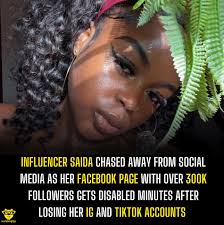
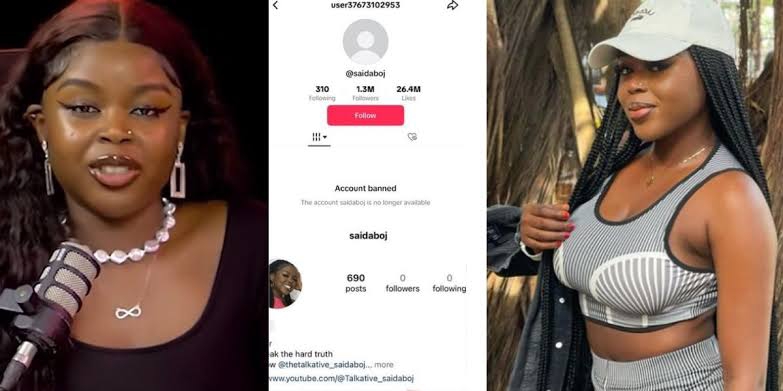
In today’s digital age, the influence of social media and online personalities is profound, often shaping the perceptions and attitudes of many, especially the younger generation. One such controversial figure is a girl named Saidboj, who recently sparked a heated debate with her bold statements on a podcast. She admitted to being a “used and damaged person,” sharing her experiences of dating a married man who ultimately used and dumped her. This article aims to offer advice and shed light on the broader implications of such narratives.
The Danger of Damaged Narratives
When individuals who have experienced significant emotional trauma express their pain and frustration publicly, it can resonate with others who have similar experiences. However, it can also have a detrimental effect, particularly when the narrative is one of anger and bitterness. Saidboj’s declaration that she cannot date a “broke guy” who can’t spend up to 500k during the talking stage exemplifies this. It is crucial to recognize that such sentiments, while perhaps stemming from genuine hurt, can misguide and derail impressionable minds.
The Root of the Issue

Saidboj’s rage and emotions towards men are understandable given her past experiences. Being used and discarded in a relationship, especially by a married man, can leave deep emotional scars. This pain can manifest as anger and a skewed perception of relationships and self-worth. However, it is essential to address this trauma constructively rather than allowing it to perpetuate harmful narratives.
The Need for Help and Rehabilitation
Damaged individuals in society need support, counseling, and therapy to heal and rebuild their lives. Emotional trauma, if left unaddressed, can lead to further harm, both to the individuals themselves and to those they influence. It is not productive to amplify these voices on platforms like podcasts without providing the necessary context and support for healing.
Constructive Interventions
1. Counseling and Therapy: Professional help can provide individuals with the tools to understand and overcome their trauma. Therapists can help reframe negative thoughts and guide individuals towards healthier coping mechanisms.- 2. Support Systems: Building strong support networks of friends, family, and communities can provide the emotional backing necessary for recovery.
3. Positive Role Models: Highlighting stories of resilience and recovery can inspire those who are struggling to seek help and believe in the possibility of healing.
A Call to Action
It is important for media platforms to act responsibly. Rather than providing a stage for potentially damaging narratives, they should focus on promoting positive and constructive content. This is especially crucial when the target audience includes young and impressionable individuals.
Advice to All Women
Ladies, be cautious of the narratives you allow to influence your thoughts and actions. Understand that someone who speaks from a place of hurt and anger needs compassion and help, not a pedestal. Seek out positive influences and role models who can inspire growth, self-respect, and healthy relationships.
In conclusion, while the experiences and emotions of individuals like Saidboj are valid, they should be addressed through proper channels such as counseling and therapy. Amplifying such narratives without context can harm more than help. Let us strive to support one another in healing and building a society where everyone can thrive emotionally and mentally.
 Astro
Astro 