

Rhesus factor, a protein found on the surface of red blood cells, plays a crucial role in human biology. However, its significance extends beyond basic physiology, as certain complications associated with Rhesus factor incompatibility can pose serious risks during pregnancy and blood transfusions.
The Basics of Rhesus Factor:
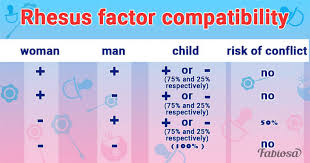
The Rhesus factor, also known as Rh factor, is classified as either positive or negative based on the presence or absence of the protein on red blood cells. Approximately 85% of the population is Rh-positive, meaning they have the protein, while the remaining 15% are Rh-negative, lacking the protein.
Pregnancy Complications:
One of the most well-known dangers associated with Rhesus factors arises during pregnancy. When an Rh-negative woman carries an Rh-positive fetus, particularly during a subsequent pregnancy, her immune system may produce antibodies against the Rh-positive blood cells, leading to a condition known as Rh incompatibility. This can result in hemolytic disease of the newborn (HDN), where maternal antibodies attack and destroy the baby’s red blood cells, potentially causing anemia, jaundice, and in severe cases, organ damage or death.
Prevention and Treatment:
Fortunately, medical advancements have provided effective measures to prevent and manage Rh incompatibility during pregnancy. Rh-negative women are routinely screened early in pregnancy to detect the presence of Rh antibodies. If antibodies are present, Rh immune globulin (RhIg) injections are administered to prevent sensitization, reducing the risk of HDN in subsequent pregnancies.
Blood Transfusion Risks:
Beyond pregnancy, Rhesus factor incompatibility can also pose risks during blood transfusions. Transfusing Rh-positive blood into an Rh-negative individual can trigger an immune response, leading to the production of Rh antibodies. Subsequent transfusions of Rh-positive blood may then result in a severe transfusion reaction, jeopardizing the recipient’s health.
Safety Measures:
To mitigate the dangers associated with Rhesus factors in blood transfusions, blood typing and cross-matching procedures are rigorously followed. Donor blood is carefully matched to the recipient’s blood type, including Rh compatibility, to minimize the risk of adverse reactions.
Conclusion:
While Rhesus factors are essential components of human blood, their incompatibility can give rise to significant health risks, particularly during pregnancy and blood transfusions. Understanding these risks and implementing appropriate preventive measures, such as Rh screening during pregnancy and meticulous blood typing before transfusions, are essential for safeguarding maternal and fetal health and ensuring the safety of blood recipients. Through continued research and medical advancements, the management of Rhesus factor-related complications continues to improve, offering hope for better outcomes and enhanced safety in clinical settings.
 Astro
Astro 