
Author: Astro De Great
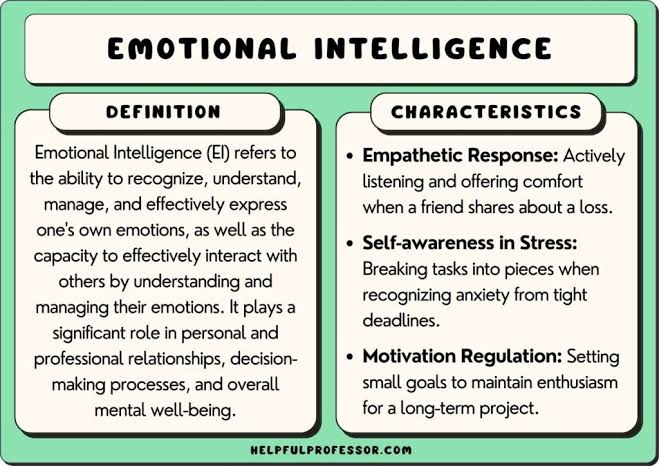
Emotional intelligence (EI) is a crucial skill that significantly impacts personal and professional success. It involves understanding and managing one’s emotions while also being attuned to the emotions of others. Fortunately, emotional intelligence can be cultivated and enhanced over time. Here’s a comprehensive guide on how to become more emotionally intelligent.
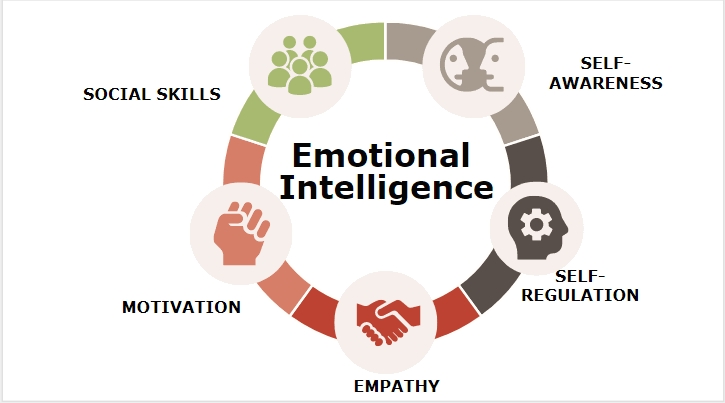
1. Self-Awareness:
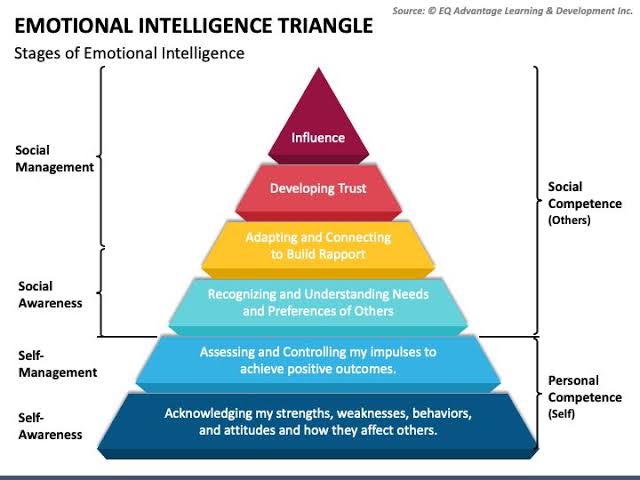
Begin by developing a deep understanding of your own emotions. Regularly reflect on your feelings, identify triggers, and recognize patterns in your emotional responses. Journaling can be a powerful tool for enhancing self-awareness.
2. Self-Regulation:
Learn to manage your emotions effectively. Practice techniques such as deep breathing, mindfulness, or meditation to stay calm in challenging situations. This self-regulation not only improves your emotional well-being but also positively influences those around you.
3. Empathy:
Cultivate empathy by putting yourself in others’ shoes. Actively listen to understand their perspectives and feelings. This skill enhances interpersonal relationships and fosters a more compassionate and collaborative environment.
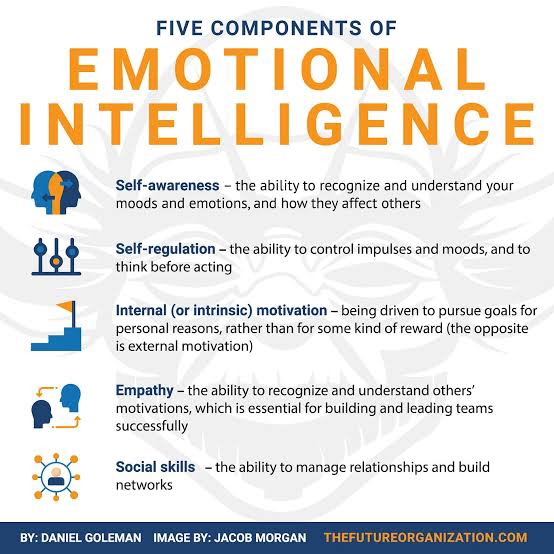
4. Social Skills:
Develop strong interpersonal skills to navigate social situations smoothly. This includes effective communication, conflict resolution, and the ability to build and maintain healthy relationships. Networking and collaborating with diverse groups can contribute to honing these skills.
5. Motivation:
Set meaningful goals that align with your values. A sense of purpose and intrinsic motivation can drive you to overcome challenges and persist in the face of setbacks. Understand what truly inspires and fulfills you.
6. Continuous Learning:
Embrace a growth mindset. View challenges as opportunities to learn and grow. Seek feedback from others and use it constructively to improve your emotional intelligence. Learning from experiences is a fundamental aspect of developing EI.
7. Recognizing and Managing Stress:
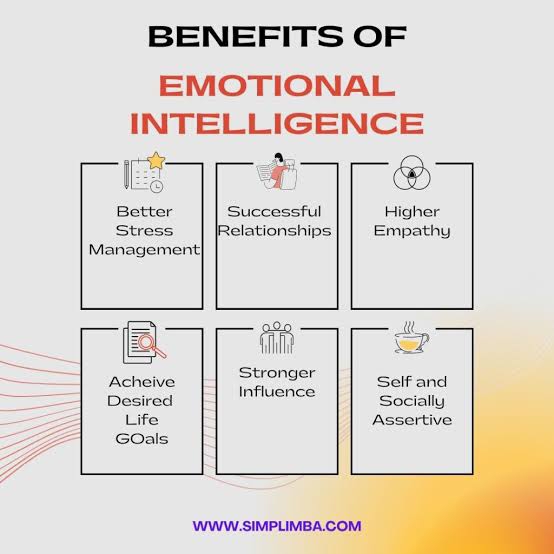
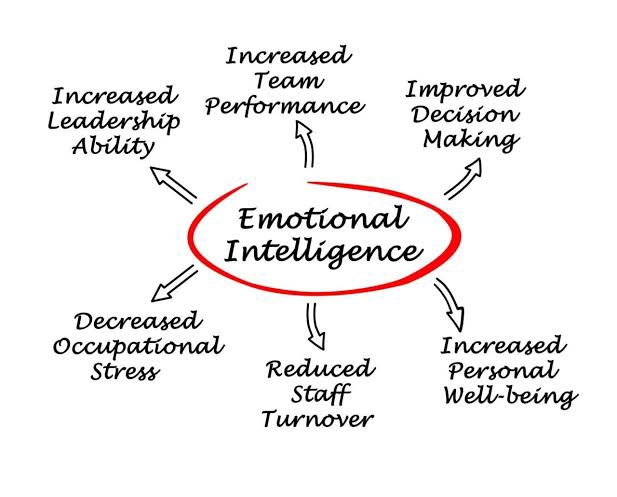
Stress can significantly impact emotional intelligence. Develop coping mechanisms to handle stress effectively, whether through exercise, hobbies, or relaxation techniques. Recognizing stressors early on and addressing them is key to maintaining emotional balance.
8. Cultivate Resilience:
Resilience is the ability to bounce back from setbacks. Acknowledge that failures are part of life, and focus on learning from them rather than dwelling on negative emotions. A resilient mindset contributes to emotional strength.
9. Practice Mindful Communication:
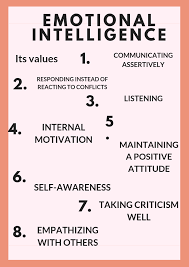
Be mindful of how you communicate, both verbally and non-verbally. Pay attention to your tone, body language, and choice of words. Clear and empathetic communication fosters understanding and strengthens relationships.
10. Seek Professional Development:
Consider participating in workshops or courses focused on emotional intelligence. Many organizations offer training programs that can provide valuable insights and practical strategies for improving EI in both personal and professional contexts.
In conclusion, becoming more emotionally intelligent is a continuous journey of self-discovery and growth. By cultivating self-awareness, regulating emotions, and fostering strong interpersonal skills, individuals can enhance their emotional intelligence and, consequently, lead more fulfilling and successful lives.
 Astro
Astro 