

Author: Astro De Great
Introduction:
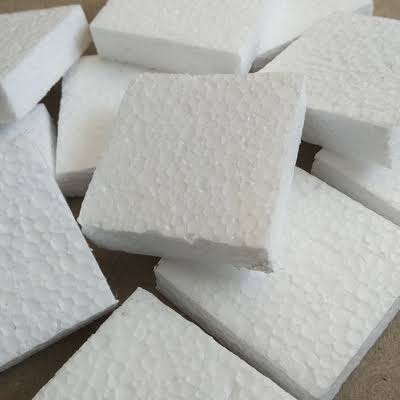
Styrofoam, a widely used material known for its lightweight and insulating properties, has become a pervasive part of our daily lives. However, its convenience comes at a significant cost, as Styrofoam poses substantial threats to the environment and human health.
Environmental Impact:
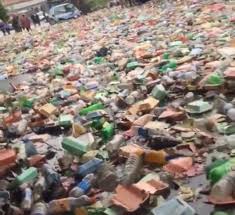
Styrofoam is notorious for its non-biodegradable nature, persisting in landfills for hundreds of years. The production process involves the use of harmful chemicals, contributing to air and water pollution. Moreover, Styrofoam’s lightweight composition makes it prone to wind dispersal, leading to litter and environmental degradation.

Economic Consequences:
The economic burden of Styrofoam pollution is substantial, as local governments bear the cost of cleanup and disposal. Additionally, the negative impact on tourism and property values cannot be understated, as aesthetically degraded environments deter visitors and investors.
Health Implications:
Styrofoam contains polystyrene, a substance linked to potential health risks. When heated, Styrofoam can release toxic chemicals, including styrene, which has been associated with respiratory issues and potential carcinogenic effects. As Styrofoam breaks down over time, microplastics may enter the food chain, posing a threat to human health.

Alternatives and Solutions:
To address the environmental and health concerns associated with Styrofoam, exploring sustainable alternatives is crucial. Biodegradable packaging materials, such as compostable plastics and plant-based alternatives, offer viable options. Governments, businesses, and consumers must collectively shift towards eco-friendly choices to mitigate the impact of Styrofoam.
Consumer Awareness and Education:
Raising awareness about the harmful effects of Styrofoam is pivotal in fostering responsible consumer behavior. Educational campaigns can enlighten the public on the environmental consequences and health risks associated with the material, encouraging a shift towards more sustainable choices.
Regulatory Measures:
Government intervention through stringent regulations on Styrofoam production and usage is essential. Implementing policies that promote the use of biodegradable materials and incentivizing businesses to adopt eco-friendly practices will contribute to a healthier and more sustainable future.
Conclusion:
The omnipresence of Styrofoam in our daily lives demands a reevaluation of our choices for the well-being of both the environment and human health. By embracing alternatives, raising awareness, and implementing effective regulations, we can collectively work towards minimizing the adverse impacts of Styrofoam and fostering a more sustainable future.
 Astro
Astro 