

Author: Astro De Great
Introduction:
In the realm of health, hepatitis poses a significant threat with various types affecting millions worldwide. Authored by Astro Media, this article aims to elucidate the different forms of hepatitis and the potential consequences they entail, providing essential insights into these prevalent health concerns.

Body:
1. Hepatitis A:
– Typically contracted through contaminated food or water.
– Consequences include flu-like symptoms, jaundice, and abdominal pain.
– Generally, hepatitis A does not result in chronic infection.
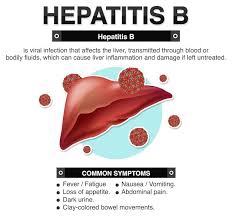
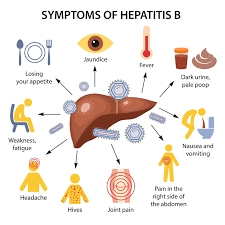
2. Hepatitis B:
– Transmitted through blood, sexual contact, or from mother to child during childbirth.
– Consequences range from mild illness to chronic conditions, including liver cirrhosis and liver cancer.
– Vaccination is available for prevention.

3. Hepatitis C:
– Primarily transmitted through blood contact, often linked to intravenous drug use.
– Chronic infection can lead to liver damage, cirrhosis, and increased risk of liver cancer.
– Treatment options have advanced in recent years, offering hope for managing the condition.
4. Hepatitis D:
– Occurs in individuals already infected with hepatitis B.
– Consequences can be severe, leading to a higher risk of chronic liver disease.
– Hepatitis D is preventable through hepatitis B vaccination.

5. Hepatitis E:
– Generally transmitted through contaminated water.
– Consequences resemble those of hepatitis A, including jaundice and abdominal pain.
– Unlike hepatitis A, there is no specific treatment for hepatitis E.

Conclusion:
Authored by Astro Media, this comprehensive overview highlights the distinct types of hepatitis and their potential consequences. Understanding the modes of transmission and the associated health risks is crucial for prevention, early detection, and effective management. As hepatitis continues to impact global health, this article serves as a valuable resource in raising awareness about the diverse nature of these infections and their implications for individuals and communities.
 Astro
Astro 